

Dark Wood Bunk Beds
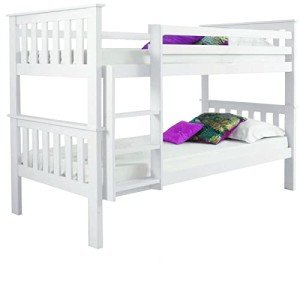
Bunk beds offer both aesthetic appeal and functionality. Utilizing durable woods for the frame and stairs assists ensure resilience. It likewise avoids sagging or contorting in time.
This bunk bed from Harper & & Bright Designs uses a contemporary design at an inexpensive cost. The full-over-full size is appropriate for kids and grownups and the alternative to add a trundle to the bottom bed suggests it will work well in guest rooms.
Color
If you are searching for a bunk bed that will be the focal point of your bed room, black wood is an outstanding option. This type of bunk bed will complement any other furnishings in your room and mix well with various colors. In addition, it will be resistant to scratches and other kinds of damage. In addition to black, you can likewise select from other dark finishes such as cherry and oak. You can also find a bunk bed that fits twin mattresses on the leading and full or queen mattresses on the bottom. This type of bunk bed conserves area and is great for teenagers.
The most popular option for bunk beds is made from solid wood. Unlike metal bunk beds, wooden bunk beds look more natural and are offered in a wide array of designs and configurations. They are also typically less pricey than metal bunk beds. The most common kind of wood utilized in bunk bed building is pine. However, there are also a number of other types of wood that can be used, including maple, walnut, ash, and birch.
Bunk bed frame products can vary considerably, depending upon the maker and the cost. For instance, some bunk beds are built of metal tubular frames while others are crafted from hardwoods such as maple, ash, and walnut. Those made from metal are generally more durable than those made from wood, but they might be less appealing. Metal bunk beds are also lighter than those made of wood, making them easier to move around the room.
The most important consideration when choosing a bunk bed is its building and construction. Bunk beds are built from either solid wood or metal, and each has its own advantages. Solid wood bunk beds are usually considered to be the best option due to the fact that they supply a timeless, ageless appearance and are strong and long-lasting. A lot of wooden bunk beds are built of softwoods such as pine or spruce, although some are made from harder woods such as oak or maple. Woods are usually more costly than softwoods, however they are more powerful and more long lasting, that makes them a much better option for bunk beds.
wood bunkbeds and loft beds can be found in a range of designs, sizes and setups. They can be constructed from wood, metal or, sometimes, a combination of both. No matter the material, bunk and loft beds ought to be tough and durable. If they are not, it is most likely due to poor style and develop quality rather than the type of building.
The most popular kind of bunk bed is a wooden model, which is offered in numerous styles and finishes. These beds are a great space-saving option for children's spaces and can be utilized for several functions. For instance, some bunks have desks connected to the bottom, which are ideal for those who wish to integrate sleeping and studying. Other choices include side-by-side beds and triple bunks.
When picking a wood bunk bed, you should try to find one that has durable side rails and center support. This will assist to avoid accidents and injuries, particularly for kids who use the top bunk. Most notably, it must likewise satisfy or go beyond CPSC security standards.
There are a couple of kinds of wood that can be used to make bunk beds, including soft maple and oak. These woods are both resilient and trendy, and they can be stained or painted to match any space decoration. Another alternative is birch, which is a strong and appealing wood that is also resilient and easy to deal with.
Both wood and metal bunk beds can be found in a large range of design and colors. Some designs even include integrated storage areas, which can be a great space-saving choice for any bed room. When selecting a bunk bed, you should consider the size of your child's space and the kind of design in the space. In addition to design, you need to likewise consider the size of the mattress. A bunk bed should be at least 6 feet high, so it is safe for kids to sleep on.
While wooden bunk beds are the most typical option, metal designs can also be a great option. They provide a smooth, contemporary appearance and are readily available in lots of various colours. Metal frames are also more light-weight than wooden bunk beds, which makes them simpler to walk around the space.
Safety
Bunk beds are a terrific method to save area in a child's space and make pajama parties enjoyable, but without proper safety measures, they can be hazardous for kids. According to Nationwide Children's Hospital, approximately 36,000 bunk bed-related injuries happen each year, half of which are in children under 6 years old. Numerous of these injuries are brought on by falls while sleeping, so it's crucial to keep your kids safe and take some precautionary measures.
Among the most common bunk bed mishaps is head injury. These injuries can range from bumps and contusions to concussions, brain bleeds, and unconsciousness. To prevent this, make sure the top bunk has guardrails that are at least five inches taller than the mattress and that there are no spaces in them. Also, avoid placing the bed near a ceiling fan or hanging light that could get in the way of the rails.
Another common bunk bed accident is injury to the legs and feet. This can be triggered by tripping or tipping over the ladder, or by striking the corner posts of the headboard and footboard. To prevent this, it's an excellent idea to set up a guardrail on the side of each bed that is at least five inches taller than the mattress, and to guarantee there are no spaces in between the guardrails and the corners of the headboard and footboard.
Other preventative measures to take consist of utilizing a ladder that's sturdy and safe, guaranteeing that only one child uses the top bunk at a time, and guaranteeing that the room is without toys, books, and other items that could cause someone to trip or fall. It's likewise an excellent concept to utilize furniture anchors, which are easy to set up and will help to ensure that the bunk bed does not tip over when kids climb up in or out of it.
Finally, it's an excellent idea to teach kids about the risks of bunk beds and encourage them not to use them as play houses or for other activities outside of bedtime. They must never hang things from the guardrails of the leading bunk, as this can pose a strangulation risk.
Durability
Wooden bunk beds are more durable than metal ones, and they also use a classic appearance that can match a variety of decoration styles. The kind of wood used in bunk beds can vary, but a solid hardwood like oak or maple is typically thought about the very best for quality and durability. Other excellent options for bunk bed products include walnut and cherry. Bunk beds made with solid wood are often more economical than those built with metal, and they might be much easier to put together.
The total durability of a bunk bed is identified by its style and building and construction, in addition to how it is utilized and maintained. To make the most of durability, go with a strong, durable frame that is created to support a weight limit equal or greater than the number of users. Likewise make sure that the guard rails are correctly secured to the bunk bed, which they extend a minimum of two feet from the top of the mattress. In addition, make sure that the bunk bed is located far enough away from ceiling fans or other dangers. Routinely tighten up the screws and bolts that hold the bunk bed together, and inspect for loose or broken parts on a regular basis.
In order to prevent drooping or uneven wear, it is recommended that you rotate your bunk bed mattress every 3 to 6 months. This assists disperse usage evenly, lowers the risk of a drooping top or bottom mattress, and reduces the likelihood that your mattress will establish mould or mildew. It is also a good concept to frequently air out your mattress, by eliminating the bedding and permitting it to breathe for a few hours.
If you're shopping for a dark wood bunk bed, make sure to think about the functions that are necessary to your household. For example, you'll desire to pick a size that accommodates the number of individuals who will be oversleeping it (twin-over-twin or twin over full for little kids or grownups). You'll likewise want to think about whether you want trundle or desk accessories, along with other built-in storage alternatives.